New Year Traditions
1 January 2026 - 1:00am
 Athens welcomed in 2026 by turning down the volume. The capital city traded the familiar whiz, crackle and boom of window-rattling fireworks for a specticle without the shock wave, opting for low-noise pyrotechnics, light shows and drone displays. The shift aims to make 'New Year' celebrations more child and pet friendly, in a break from the loud combustible traditions of the past. Athens embraced 'quiet' fireworks last year, a decision the City Mayor said signalled a change of priorities, "with a spectacular show of light, without deafening noise, respecting people, animals and the environment". Throughout Ermionida, church bells rang in the new year, over five minutes long in Ermioni, with accompanying fireworks from private citizens, in readyness for celebratory drinks and the new year's cake, the Vasilopita.
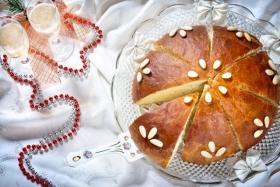
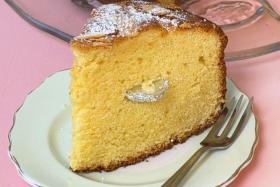
The Vasilopita, or New Year's cake, is an integral part of Greek New Year celebrations. This traditional cake (it often resembles a sweet brioche, flavoured with mastic, mahlab or orange) holds symbolic significance and is a source of excitement and good fortune. The most distinctive element of the Vasilopita cake is the hidden 'Coin of Fortune'. As the cake is cut, each person receives a piece, and the anticipation of finding the hidden coin adds a layer of excitement and merriment. Finding the coin is believed to bring good luck and prosperity in the coming year. According to legend, Saint Basil (Aghios Vasilis) while serving as a bishop, was instructed by God to hide gold coins within bread and distribute them to his followers. This act of generosity and the discovery of the hidden treasure by each recipient have become symbolic of the good fortune associated with the Vasilopita cake. As the Feast Day of Aghios Vasilis falls on the 1st January, most Greeks exchange presents with family and friends on this day.

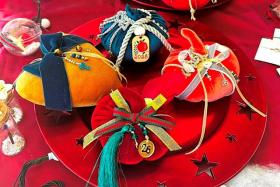
In shop windows, brightly coloured charms sit alongside ornamental pomegranates and blue-glass 'eyes' that seem to wink knowingly at passersby. These are not Christmas decorations, but objects intended to bring good luck. At the heart of all this is the 'Gouri', Greece's traditional New Year charm, exchanged between family and friends as a quiet wish of health, prosperity and a good beginning to the year ahead. The custom belomgs to a long Mediterranean tradition of carrying, wearing or displaying symbolic objects to influence fate and negotiating uncertailty at moments of transition, especially between one year and the next.

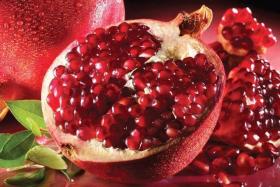
Smashing a pomegranate on New Year's Day is an ancient Greek custom that continues to this day as the red-coloured, nutritious fruit is considered a symbol of life and good fortune. Ancient Greeks believed that the pomegranate's ruby-like seeds symbolised abundance, perhaps because of their quantity, representing fertility, eternity and good fortune. On New Year's Day, a pomegranate is brought home from church and thrown with force against the front-door or onto the front-door doorstep. The more seeds you scatter when the pomegranate is smashed, the more luck and happiness the year will bring to your family household.