Epidavros
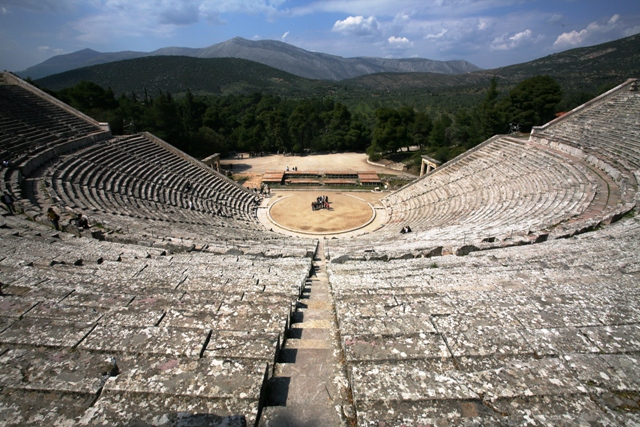
EPIDAVROS - Distance from Ermioni: 55km / 45min
The Asclepios sanctuary and large theatre of ancient Epidavros (Epidaurus) is one of the most picturesques places in the Argolida. In a small valley above the port of Archaic Epidavros, the ancient sanctuary of Asclepios was developed into the largest healing centre of antiquity. The scenery around the theatre has remained quite unspoilt throughout the centuries, one cannot help wondering if time has stood still here in the age that Homer described in his writings. Ancient Epidavros became one of the most important cultural and medical centres of ancient Greece. Situated in the North-East of Argolida, 3kms from the modern town of Ligourio, Epidavros is visited by thousands of tourists from every part of the world every year. Visiting tourists feel there is something very spiritual and mystical about the location, the spirit of the past continues to embrase the sacred ancient ruins.
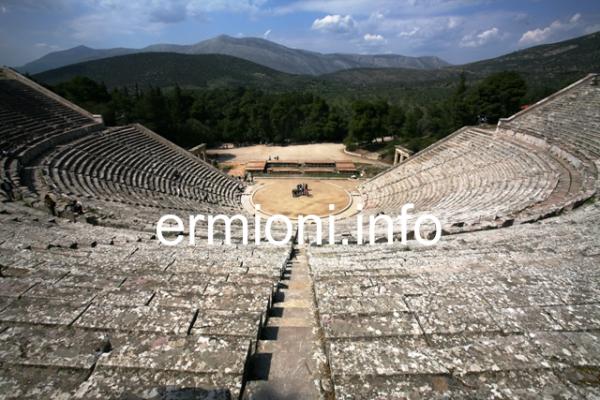
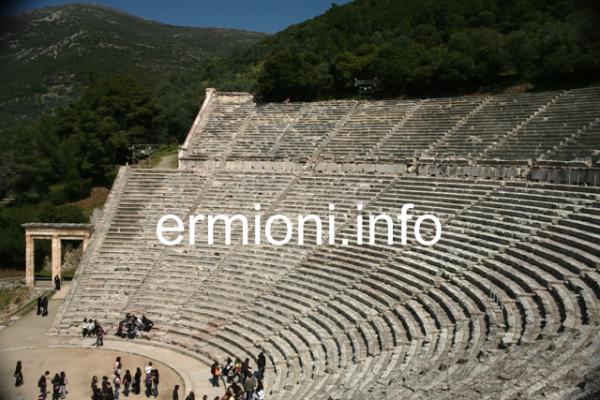
The city was given its name from Epidavros, the son of Argos and Euandi. Archaeological findings within the surrounding area are dated from the 7th century BC to the 4th century AD, with many examples featured on display in the Museum. The large theatre is world famous for its perfect acoustics, the smallest sound of a dropped coin which can be heard as high as the last row of seats.
A number of historical facts show how powerful Epidavros used to be during the ancient years. The name is mentioned in the epic poem of Homer's Iliad about the Trojan War, also later during the Persian Wars, fighting on the side of the Greek alliance, and like ancient Hermione, supporting the city-state of Sparta throughout the ancient period. Since the mid-6th century BC, it was one of the prime city-states of the Peloponnesian League, gradually developing and evolving into the largest healing centre of antiquity. Epidavros Archaeological site and Museum open 08:00 - 19:00 during Summer, apart from national holidays. Admission: 20 Euros.
SANCTUARY OF ASCLEPIOS
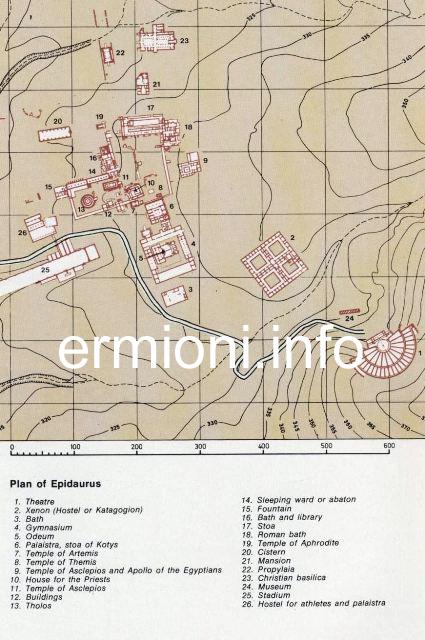
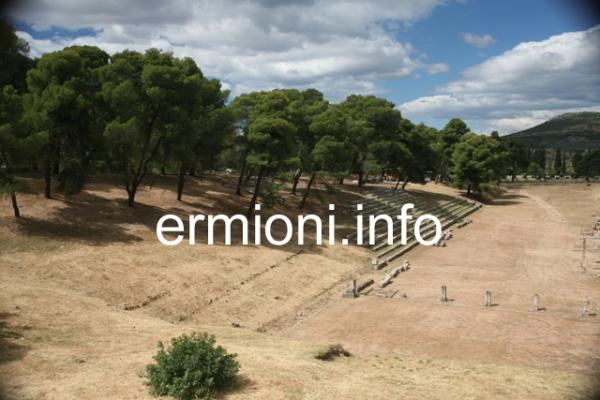
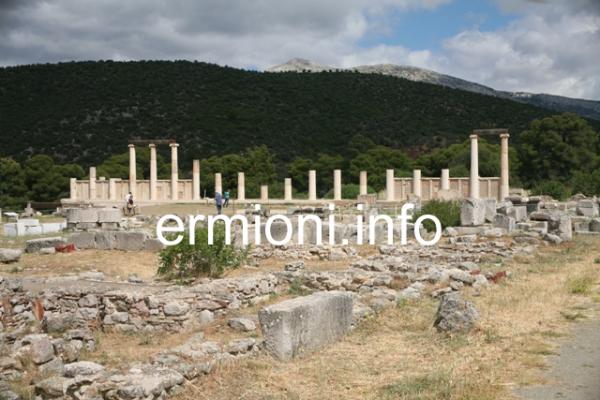
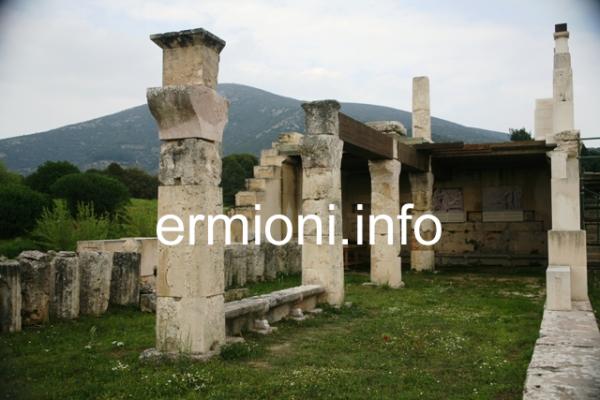
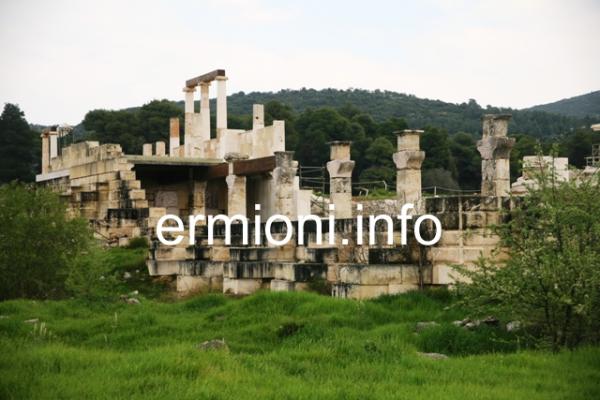
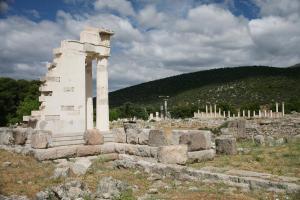 The vast sanctuary of Asclepios is in the process of renovation, and displays a number of temples, a sports arena and early medical centre of Asclepios from the 6th century BC. Epidavros was the centre of religious, medical and scientific healing for the ancient Greeks, right through to the late Roman period. The sanctuary of Asclepios at Epidaurus is a spiritual place worth travelling around the world to visit. In fact the ancient Greeks did just that, some came from far away as Asia Minor in order to pay tribute to their spiritual entities and to ask the gods for remedies for their physical and mental ailments. Epidavros was the cultural and healing centre of the world, a place where one could rest and recover, whatever the medical condition was, people believed that visiting Epidavros would cure their illness.
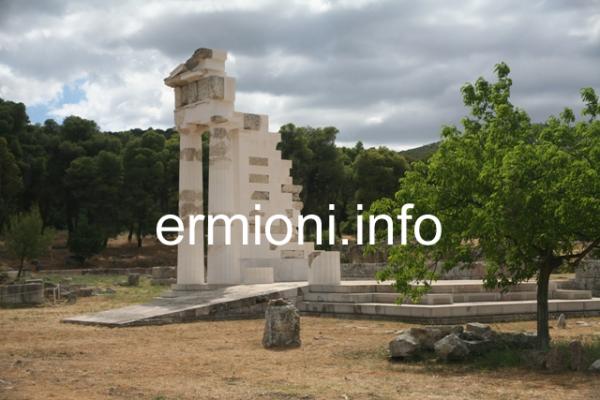
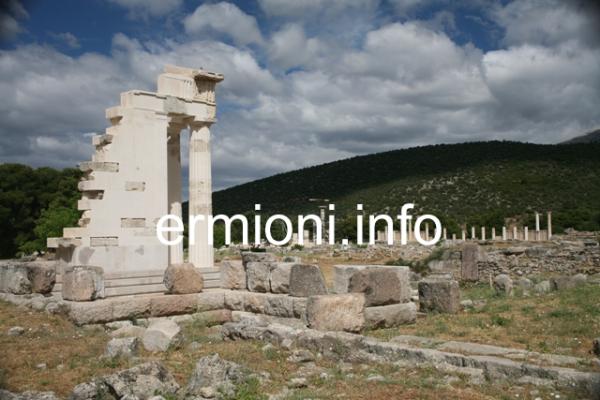
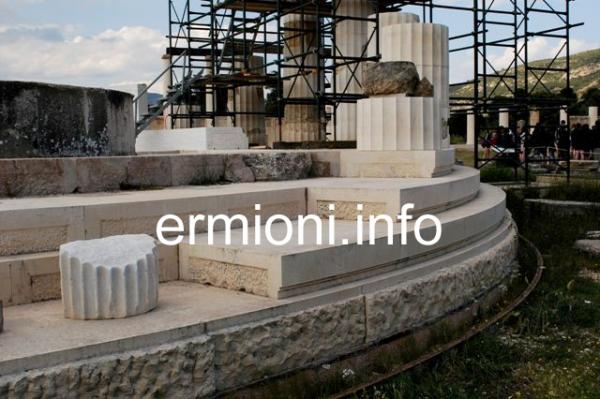
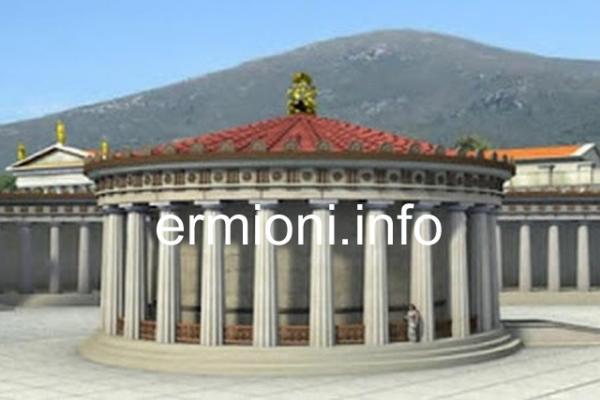
Archaeological excavations in 2020 discovered there was an earlier 2-storey building next to the present Tholos structure, with a basement and ground floor. Until now, it was believed the worship of Asclepios to have begun around 550 BC, now it is evident the newly discovered structures are much earlier. It seems that when the great building programme of the Sanctuary began in the 4th century BC, some earlier buildings were demolished. The name Tholos was only given to the structure by the ancient traveller Pausanias in the 2nd century AD, its original name was Thymeli, a kind of sacrificial alter in which bloodless offerings were made.
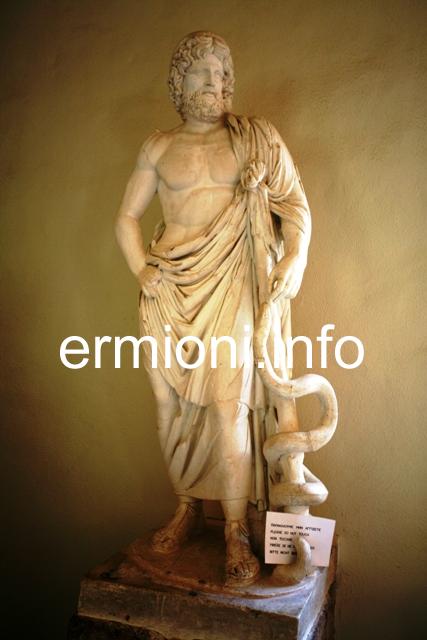
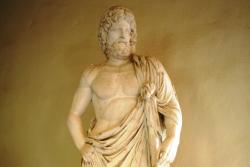 To the ancient Greeks, Asclepios was the god of medicine and son of Apollo. From the 4th century BC, Epidavros became widely known as a sanctuary to Asclepios. Temples and hospitals were found here and people from all parts of the ancient world came to seek help. Treatments were for the mind, body and soul, and included herbal medicine, a varied diet, exercise, devotion to the gods, theatre and the arts, licks from snakes and hallucinatory drugs. Every four years, the Festival of Asclepieia took place at Epidavros, where dramas were staged and athletic competitions were held. The sanctuary continued to function until the 4th century AD when many sancturies in Greece were closed by the Christian Roman Emperor Theodosius. In the mid-6th century AD multiple earthquakes completed its ruin.
LARGE THEATRE OF EPIDAVROS
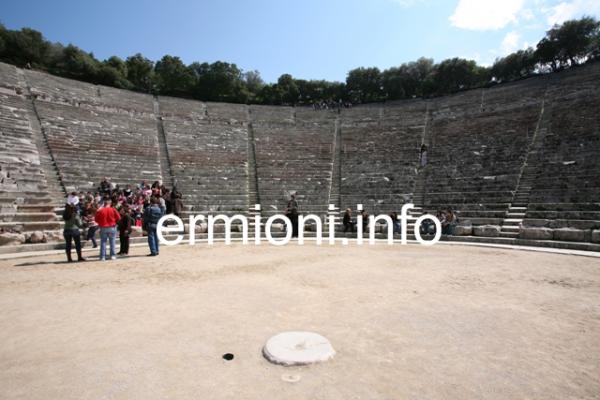
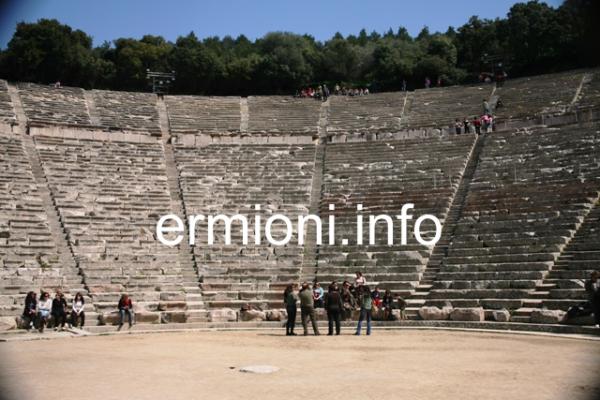
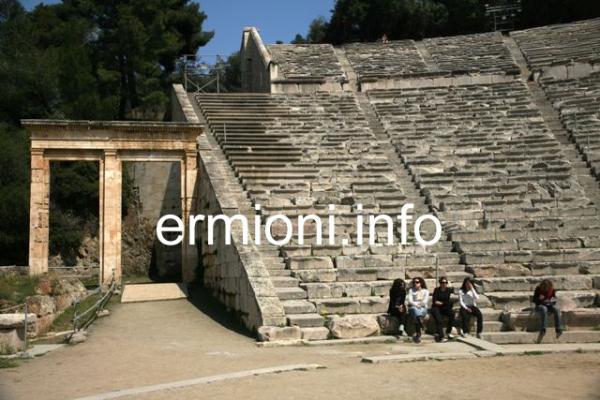
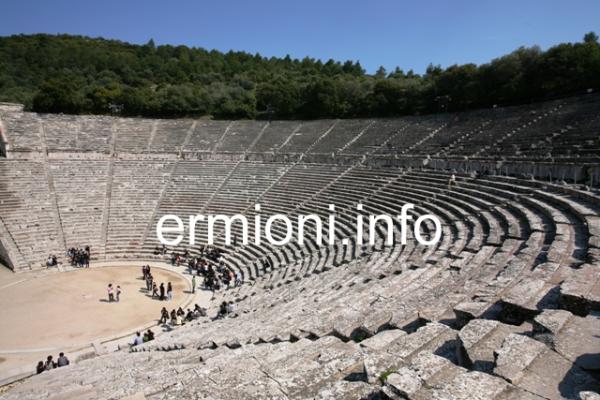
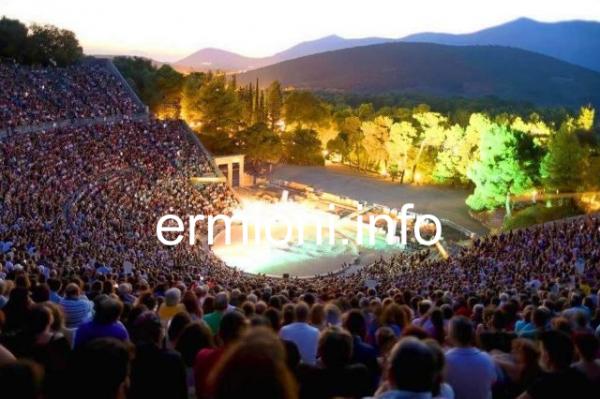
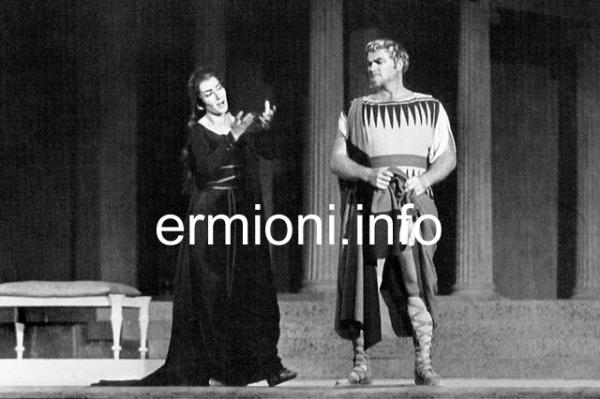
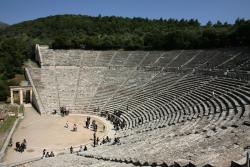 On the slopes of Mount Kynortion lies the best known and the best preserved of all ancient theatres in Greece, its superb acoustics reveal that the ancient people knew how to make sound travel when building a theatre. The theatre was built in the early 3rd century BC with an original design of 34 rows of seats, including a 19.5 metre diameter orchestra, the only circular orchestra to have survived unaltered from antiquity. A hundred years later, during the second phase of construction, the theatre was extended upwards adding a further 21 rows of seats. Pausanias visited the theatre in the mid-2nd century AD, over 400 years after it was completed. and expressed his infinate admiration for its symmetry and beauty. The front row of seats were usually reserved for people of importance and were fashioned into throne style seating, not just stone benches. There are now 55 rows of seats divided into 24 sections, with a capacity of 12,300, although there have been over 14,000 seated visitors for certain performances, one being in August 1961, when Cherubini's Medea was presented staring Greek soprano Maria Callas. Today, many ancient and modern performances are held in the theatre during the July and August Epidaurus Festival period, where people can perfectly see and hear their favourite ancient or modern Greek plays, with English subtitles, on warm Summer evenings under a clear starlit sky.
Athens and Epidavros Festival 2026 will host many summer productions in the large ancient theatre. Performed two evenings a week (Fridays and Saturdays) from 29th May (in Athens) until 22nd August (in Epidavros) by various Greek playwrites. Theatre performances start at the ancient theatre of Epidavros on Saturday 20th June 2026.
This year's programme balances classical works with innovative contemporary approaches. The Epidavros season opens with the Greek National Opera's production of Cherubini's Medea, starring acclaimed Italian soprano Anna Pirozzi. Followed in July by The Persians by Aeschylus, The Bacchae by Euripides, Alcestis by Euripides, Eirene (Peace) by Aristophanes, The Trojan Women by Euripides, Antigone by Sophocles is expected to become one of the defining cultural events when it arrives on 7th & 8th August. Combining ancient tragedy with contemporary dance and performance language, the production has drawn significant international attention. The Athens and Epidavros Festival 2026 productions end in Epidavros with Lysistrata by Aristophanes on 22nd August.
Tips on visiting Epidavros:
- Go early in the morning or late afternoon, as numerous coaches arrive from Athens during the middle part of the day.
- There is a small cantina near the site entrance, but can get very busy and cause long delays. Bring drinks with you.
- If you are attending an evening performance, take a cushion to sit on, although the stone seats remain warm from daytime heat.
- Be aware there is no form of photography or video recording allowed during the festival performances, or use of mobile phones.
- Entry into the theatre is not allowed after the start of a performance, except during an interval. Get there in good time.
- No smoking or the consumption of food and drink inside the theatre.
- Children under six years old not allowed, or entry into the theatre in high heels.
MUSEUM OF EPIDAVROS
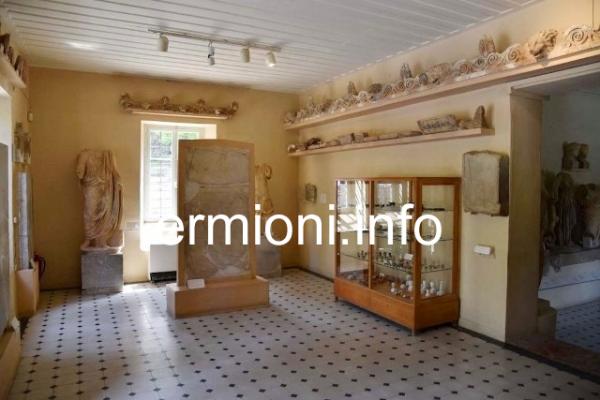
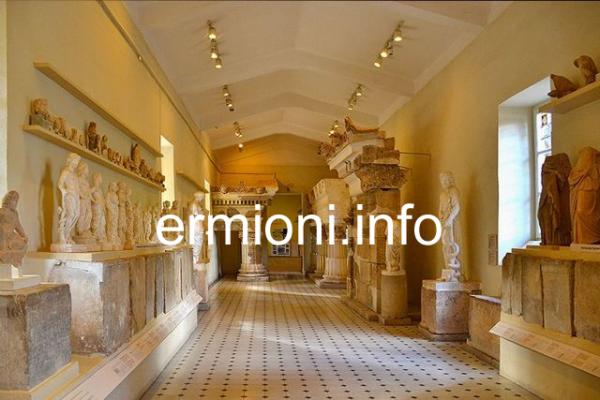
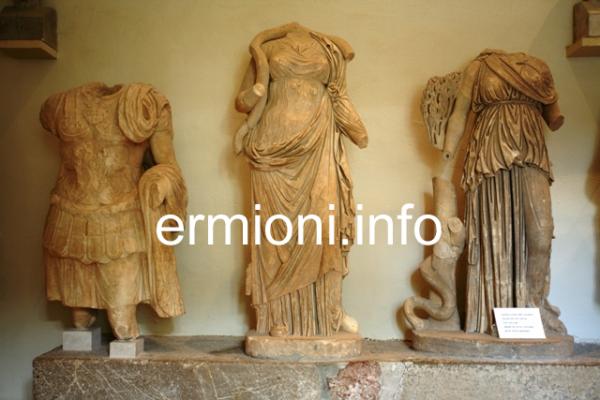
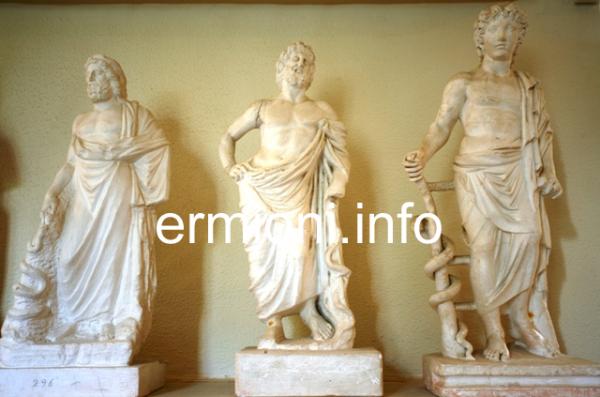
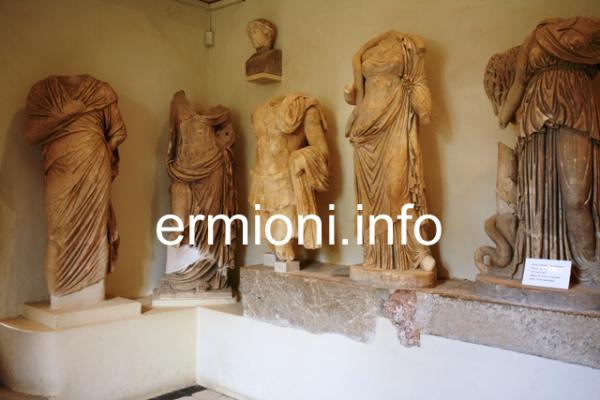
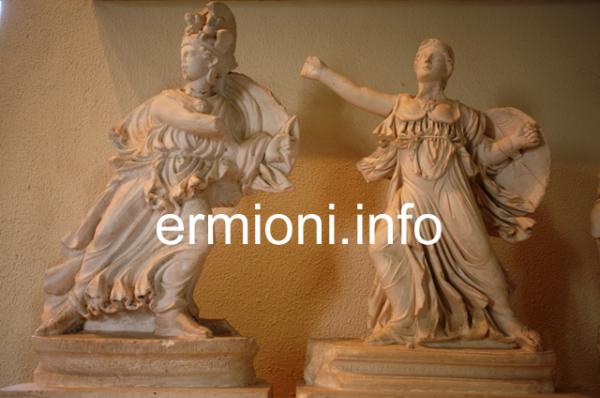
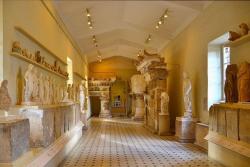 The museum is located about 120 metres from the main theatre and shows some wonderful works of Classical Greek art found at the site. In the front reception area there are some interesting examples of ancient medical instruments that were found around the healing sanctuary. In the second section of the museum, there are larger than life statues of the god Asclepios (at various stages of life) with many examples of Classical and Hellenistic statues. In the rear third section, there are a number of large temple columns and building artifacts found within the sanctuary complex. Admission to the museum is included with the entrance ticket to the archaeological site. Museum is open every day apart from national holidays. Opening times: 08:00 - 15:00 in Winter 08:00 - 20:00 in Summer. Tel: +30 27530 22009
ARCHAEOLOGICAL PARK
There were plans in 2021 to launch a €985,000 project to transform the sanctuary site into an 'archaeological and nature park'. This will entail fencing off the whole area, as many of its buildings are outside the present perimiter. Building a proper entrance and parking area, creating a footpath around the ruins with signs and digital media informing visitors about the different buildings and locations. There will be further development on the restoration front to allow for a better 3D look to certain sanctuary buildings.
SMALL THEATRE OF ARCHAIC EPIDAVROS
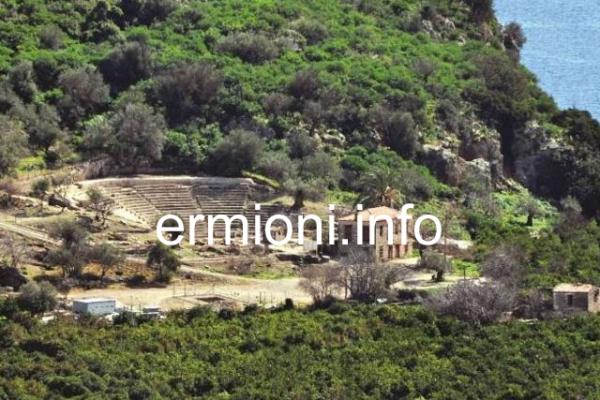
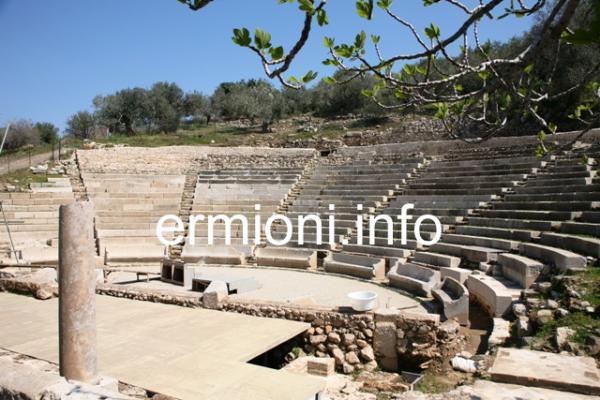
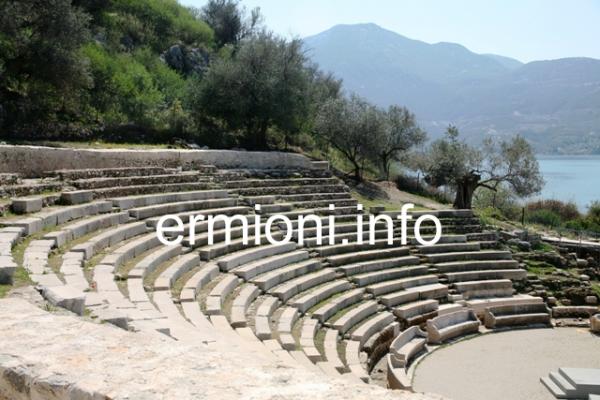
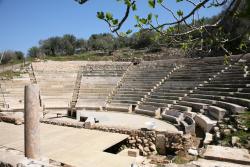 The small theatre of Archaic Epidavros was only discovered in 1971, with archaeological work continuing to the present day. It is located on the South-Western side of the Acropolis between the old town of Archaic Epidavros and the Nisi peninsula. The theatre was built during the 4th century BC and was dedicated to the god Dionisios and was fundamentally reconstructed during the Roman occupation. Originally built in 9 sections with 18 rows of seats, it could accommodate up to 2,000 spectators, although todays audience is restricted to around 800. One of the main characteristics of the small theatre are the inscriptions bearing names of guarantors and statesmen on its benches and 'throne' seats. The small theatre is used today during the annual Summer Epidavros Festival. Admission: 10 Euros.
ARCHAIC EPIDAVROS
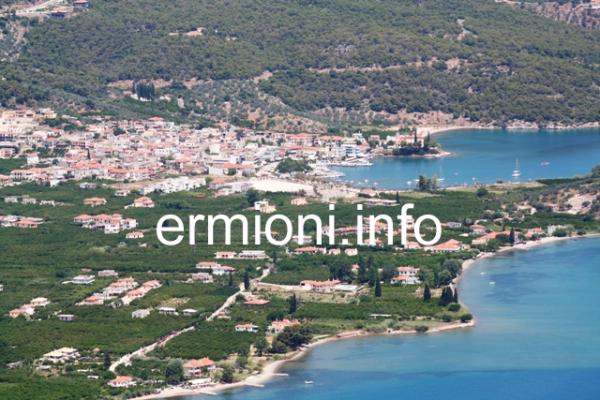
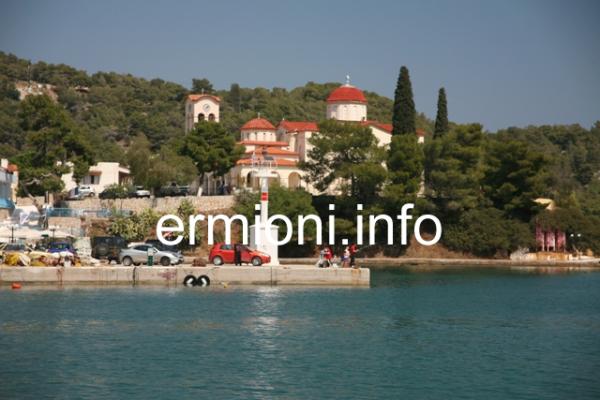
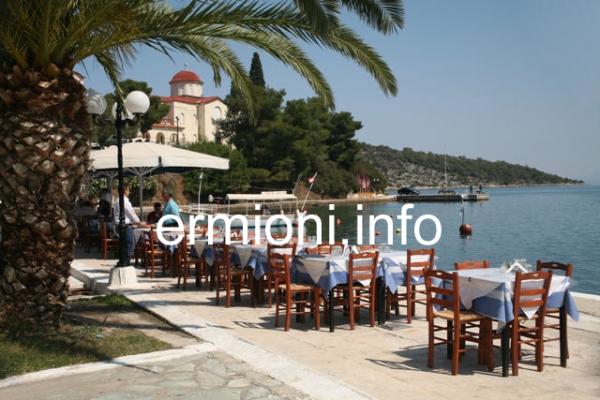
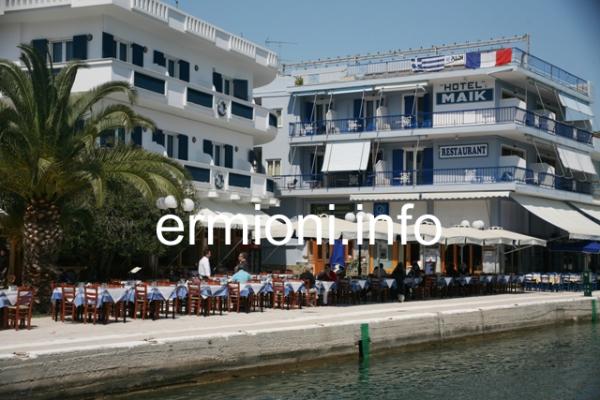
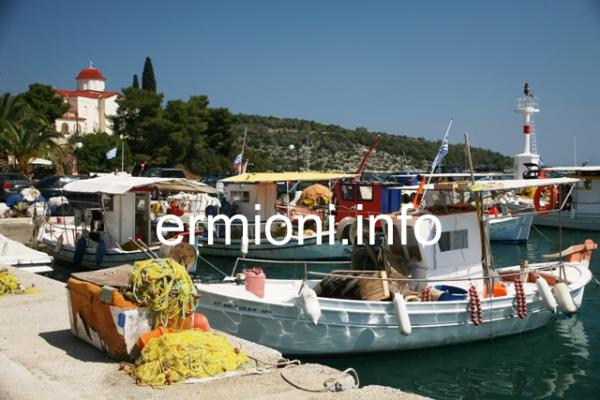
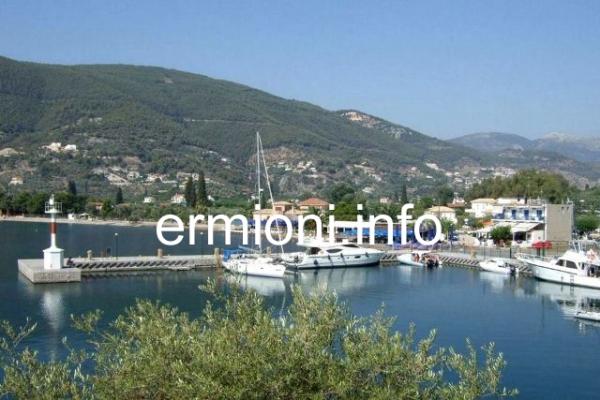
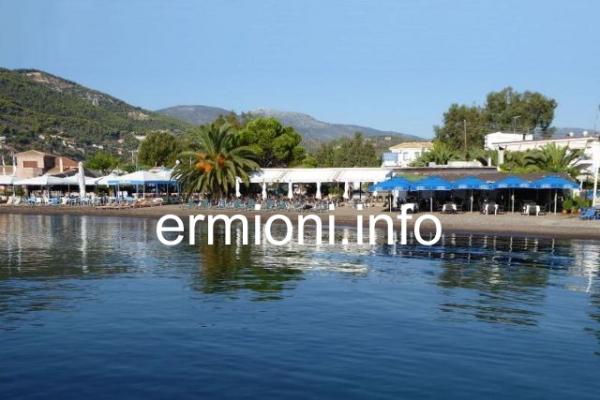
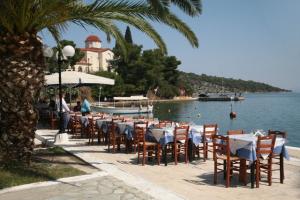 The port of Archaic (Palaia) Epidavros was also the ancient port of Epidavros, where travellers would have come by sea, rested within the port area, then walked or rode the overland sacred pathway to the Sanctuary of Asclepios. Parts of this sacred way can still be seen today, arriving at the North side of the Sanctuary. Today the town of Archaic Epidavros is a great place to visit for a meal and refreshing cool drink after your visit to the Sanctuary and main theatre, as there are a number of waterfront tavernas and bars to choose from around the port, with plenty of car-parking spaces. Close by, there is the small theatre of Archaic Epidavros (see above) the sunken city (Agora) which can be explored very close to the port. The picturesque port of Archaic Epidavros is still a traditional fishing boat harbour.
NEA EPIDAVROS
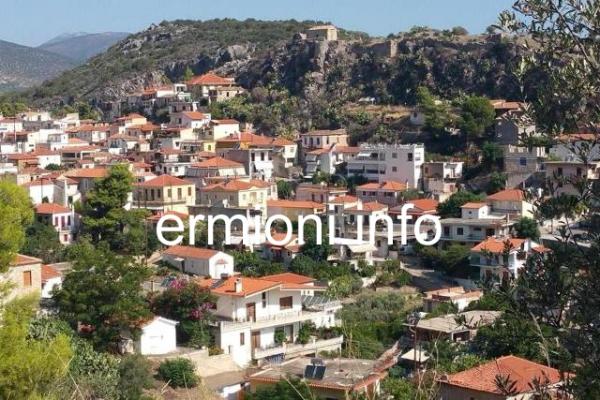
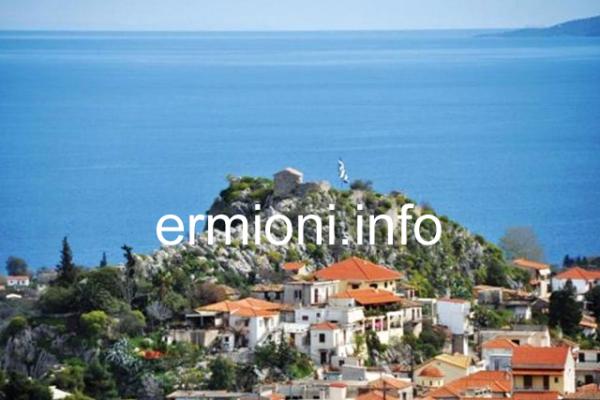
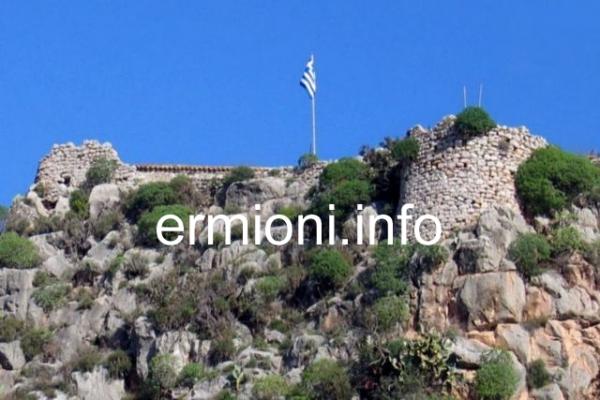
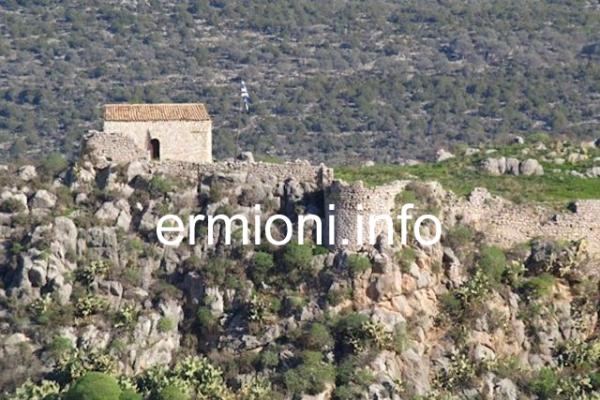
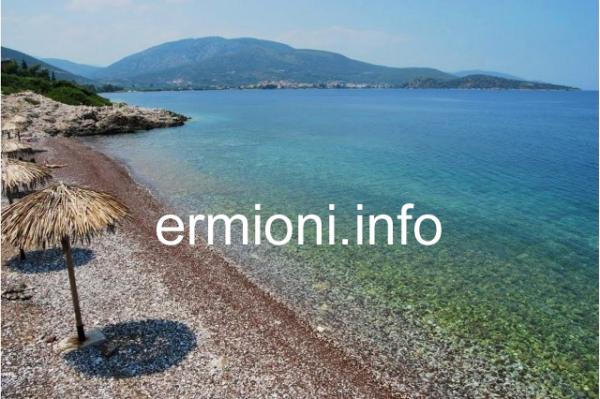
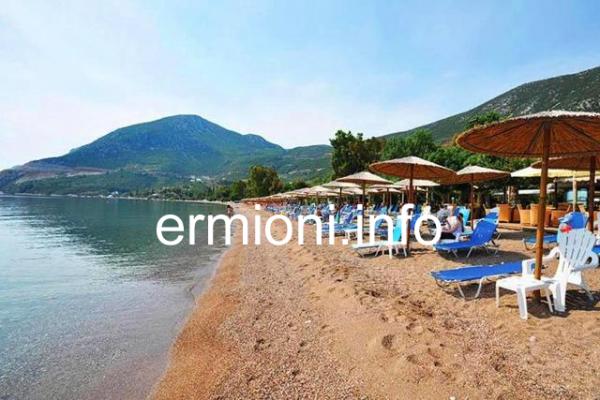
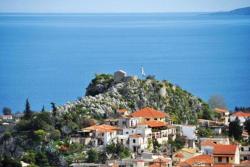 Nea Epidavros is located 5 kms to the North of Archaic Epidavros. Before the Greek War of Independence, the village was called Piada. Between 20th December 1821 and 16th January 1822 the First Hellenic National Assembly took place in Nea Epidavros, where the Assembly decided on the new Greek flag design that is still used today. The historic village is built within a steep rock only 2 kms from the coast and isn't visible from the sea, giving protection to the inhabitants in the old days from marauding pirates. Nea Epidavros has a Medieval castle at the crest of the hill, with the 11th century church of Aghios Ioannis inside its walls. The sandy beach-front area has a small port, guest houses and a few tavernas, cafes and bars. Further along the coastline there are some more wonderful sandy beaches.
MUSEUM OF NATURAL HISTORY
 For something truly unique, you can visit the Kotsiomitis Museum of Natural History, founded in 1993 and lovingly curated by Vasilis and Anastasia Kotsiomitis. Their thematic collection includes fossils and minerals from around Greece, ammonites from Epidavros as well as fossilised tree trunks, corals, fish and insects, some dating back over 530 million years. Museum open 10:00-15:00 Closed on Mondays during the summer. Museum located 2.5kms from the Epidavros archaeological site, near the Ligourio roundabout on the bypass towards Nafplio. Contact: Tel: +30 697 256 8080 Email: [email protected]
Location
Epidavros - Theatre & Sanctuary
Greece
37° 35' 47.3388" N, 23° 4' 46.614" E
Picture Gallery